Welcome. My name is Lina B. Russell.
I am a childhood trauma survivor living with complex PTSD, anxiety, affective disorder challenges, and attention-related difficulties.
I hold a bachelor’s degree in Cognitive Science and Psychology, and a master’s degree in Public Policy and Human Development.
This is my story.
Early Adulthood – The First Signs
In my twenties and early thirties, I slowly fell into a complicated relationship with substances that affect the brain.
The first to surface was alcohol. For years I was an occasional social drinker, but more and more often, when I did drink, I tended to keep going past a reasonable point—six beers, for example, felt “acceptable” to me at the time. I wasn’t clinically dependent, yet those binge episodes pushed me well beyond a sensible limit and I didn’t recognise how they were affecting me.
The warning sign arrived subtly: once a friend showed me photographs of me at her wedding, where I looked far from my best. It wasn’t a dramatic wake-up call, but it planted a seed in my mind.
During that period, my doctors began prescribing medication for a range of ailments that affected me with increasing frequency—muscle pain, burnout, anxiety, and seasonal affective disorder. Those drugs, too, acted on my brain.
Among them were benzodiazepines. For my musculoskeletal issues, they took the easy route and prescribed them with what I now consider a light hand.
Soon, it became impossible for me to fall asleep without one of those pills. Realising I was dependent, I ditched these medications and have not touched them ever since.
Yet, regular muscle pain persisted and my mental state deteriorated as I hit various road‑blocks in both my professional and personal life.
I felt confused about human relationships and adult life altogether, whilst chronic pain exacerbated anxiety and attention difficulties.
Turning to Cannabis
In my late thirties, I began using cannabis medically to ease physical and mental discomfort. Initially, it proved surprisingly helpful.
It raised my energy, improved my mood and gave me clearer insight into my emotions and relationships. It stabilised my alcohol use. It helped me develop action plans and move forward in my life, at a time when the psychotherapists I’d seen had offered few solutions that truly worked for me.
Yet, this ‘magic’ came with a price. Gradually, I started losing control over the plant that had once been a tool. I moved from strictly medical doses to more frequent use, edging beyond what any therapeutic protocol would justify.
My capacity to meet life’s challenges remained high, so I was gradually becoming what is often described as ‘a high-functioning addict’. (Today I struggle with the accuracy of this label — I think people like me are more accurately described as ‘moderately functioning’.)
The Pandemic Push
The social isolation of the COVID-19 pandemic pushed me over the edge.
By my early forties, my cannabis consumption was out of control. I would set limits for myself— “only three days a week,” for example—yet temptation and rationalisations repeatedly eroded those boundaries.
Prescription medication use rose in parallel. Anxiety, insomnia and recurring depressive bouts led me to rely increasingly on drugs such as Zolpidem for sleep. The escalation was gradual and almost invisible — but soon dependence was the new normal.
My alcohol intake remained moderate in quantity, but social occasions multiplied, and I rarely declined a drink. On days when I resisted cannabis, I often turned to alcohol to soothe tension, confusion and fatigue.
Soon I was looping from day to day—cannabis, alcohol, or both—leaving fewer and fewer sober breaks for my brain and body to reset.
I tried countless methods to free myself from the grip of addiction. Some worked to some extent, but the overall trajectory was downward.
Turning the Page
In the midst of this struggle, I decided on a simple habit: to start logging every instance of cannabis and alcohol use. That daily log turned out to be the first real key unlocking my recovery.
Three months later, a stark wake-up call forced me to confront the depth of the problem.
Fuelled by fresh resolve, I turned to microdosing psilocybin to help me break free from the claws of addiction. I decided to leverage it to support a gradual reduction rather than an abrupt stop/cold turkey.
I realised early on, however, that adding psilocybin to an already chaotic substance use landscape is riddled with risks, especially that of self-deception.
To protect what felt like my last chance at getting better, I built a tight, step-by-step framework designed to ensure that microdosing truly supported my addiction recovery.
Beyond microdosing, I have incorporated several other healing practices. Traditional psychotherapy has failed me, but blending my scientific background with the luck of stumbling upon high-quality resources online has yielded tangible progress.
Through repeated cycles of trial, error, and fine-tuning, I eventually crafted a clear, structured playbook for leveraging microdosed psilocybin against substance misuse. I called it the MESMERIC method.
And it began delivering meaningful results.
Where I am today
These days, I use small, carefully measured amounts of cannabis as a therapeutic tool and enjoy very moderate amounts of alcohol on social occasions. Most of the time, I stick to the limits I set; when I deviate, the variation is minimal.
For this, I do not rely on resistance or strong will. Often, I simply do not feel like using.
Because I have learned how to deal with my cravings and reduce what I call a ‘pressure build-up’, I can prevent major slip-ups.
Today, I can even afford a modest splash of spontaneity in my use without fearing loss of control because I have put robust safeguards and monitoring systems in place.
In short, I feel that I am in charge.
Why I’m Opening Up
In 2025 I launched this project to lay out the path that brought me here and to spotlight what worked.
My hope? That high- and medium-functioning people struggling with addiction can discover and apply the MESMERIC method for their own benefit and that of their loved ones.
I am here to build a two-way channel—a community for exchanging experiences, resources, and support. My journey is still unfolding, and I invite you to join me for the ride.
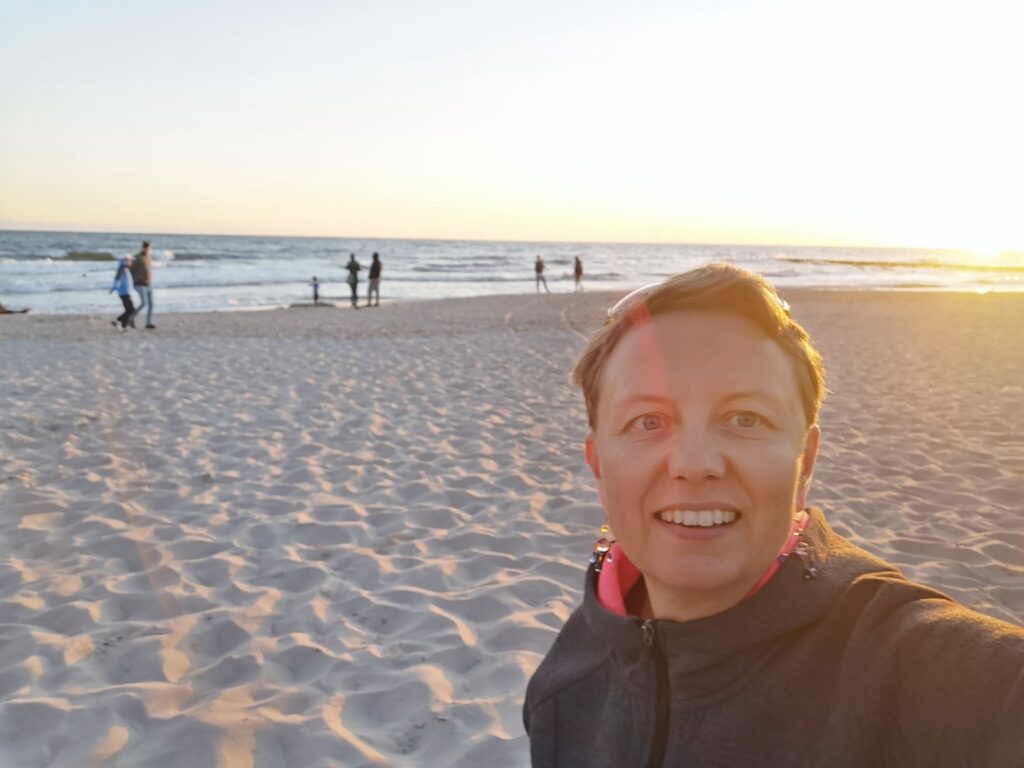
This is me, Lina. Putting a face to a story like this takes courage.
If something resonates — or if you see it differently — I’d like to hear from you.
If you choose to respond, please do so thoughtfully.
I welcome your comments below or a direct message.
Leave a Reply